Our Blog

Caring for Your Smile after Invisalign® Treatment

August 16th, 2023

You have done a lot of work to get the perfect smile. You wore your Invisalign aligner trays and cared for your teeth, and now your treatment is done. You still need to take care of your teeth to keep your beautiful smile. Keeps these things in mind when you think about your oral care routine.

Retainers

Many patients do require a retainer after Invisalign treatment. This will be based on your unique situation. If a retainer is recommended by Dr. Cronin, use it as directed. Retainers prevent your teeth from shifting back into their original position. You should also avoid hard, crunchy foods for the first couple of weeks as your teeth adjust. For younger patients, retainers are normally used until the wisdom teeth come in or are extracted.

Brushing and Flossing

Brushing and flossing must be part of your daily oral care. Flossing helps remove the plaque, which becomes tartar or calculus. This build up can lead to gingivitis and gum disease. Your gums may be more sensitive for a week or two after your orthodontic work is completed. A warm salt water rinse may relieve discomfort.

Your teeth may be slightly sensitive for a short time. They have been protected by your Invisalign aligner trays and now are fully exposed. You might want to try a sensitive toothpaste to get through the transition. Just ask; we will be glad to recommend the best type for your needs. If your teeth are stained, a professional whitening treatment can be considered.

Regular Dental Checkups

You still need to have regular dental exams. Professional cleanings and X-rays make sure that both your teeth and gums stay healthy so you can keep your teeth for life. If cavities or other problems are found, they can be taken care of quickly.

If you have any questions about how to care for your teeth after your Invisalign program, please ask our Langley team. We want you to keep your healthy smile and enjoy the results of your Invisalign treatment.

Braces-Friendly Recipe: Lunch

August 9th, 2023

Getting braces comes with a lot of rules. No sticky candies, watch out for popcorn, and steer clear of chips. These rules leave many braces-wearers wondering what they can still eat without hurting their teeth or their expensive orthodontic appliances. Fortunately, constructing a braces-friendly lunch is straightforward once you know which foods to avoid.

Foods to Avoid When Wearing Braces

There are a few food categories to avoid when you have braces. Sticky foods also stick to the metal in your braces, and can potentially break wires or individual braces. For example: bubblegum, candy bars, caramel, licorice, fruit roll-ups, and Starbursts should be avoided. Many of these foods also contain high levels of sugar, which can cause plaque build-up if not brushed away properly.

Also, be wary of hard foods that can harm your orthodontic appliances. Avoid eating hard taco shells, chips, Rice Crispy treats, hard candy, beef jerky, and popcorn. Some healthy foods, such as carrots, apples, corn on the cob, and nuts, are hard on braces. To eat these foods safely, cut them into smaller pieces before eating.

Remember that certain habits may be harmful to your braces. For example, crunching on ice cubes may be a reflexive response when you’re enjoying a cold beverage, but this can significantly harm your braces and extend treatment time. To stay on the safe side, Dr. Cronin and our team at Cronin Orthodontics recommend you drink beverages without ice or add crushed ice whenever possible.

Lunch Recipe

Even with braces, it’s easy to enjoy a healthy, nutritious lunch. For example, make a panini on whole wheat bread with slices of turkey deli meat, a piece of Swiss cheese, and tomato slices. Spread 1 tbsp. of mustard or mayonnaise on the bread before toasting the sandwich in a panini grill. Serve the panini with ½ c. low-fat cottage cheese and a sliced pear or apple for a balanced meal. Then grab a pudding cup or some JELLO for dessert. Wash it all down with water containing a lemon wedge or all-natural fruit juice. Make sure to brush your teeth or rinse with mouthwash after lunch to wash away sugars and food residue that can get trapped in braces and cause decay.

If you have any questions about what you can and can’t eat with braces during your treatment at Cronin Orthodontics, be sure to ask our team during your next appointment at our Langley office!

Invisalign® Q&A

August 9th, 2023

It’s estimated that up to four million people at any one time are wearing braces in the United States and Canada. But Dr. Cronin and our team at Cronin Orthodontics know that braces have come a long way from the early days of orthodontics, so much so that these days, options are available that are not visible to onlookers. The most popular of these “invisible” braces is Invisalign. Here’s a list of FAQs regarding Invisalign:

Are they really invisible?

Yes, the clear liners are virtually invisible, so they enable patients to feel good about themselves and their appearance, while getting the orthodontic treatment they need.

Are there wires, rubber bands, and brackets with Invisalign?

Nope. Invisalign is truly an alternative to conventional braces. The treatment consists of clear liners that can easily be removed and cleaned throughout the day. There are no wires, so there’s less poking and mouth irritation compared to braces. There’s also no wire tightening at adjustment appointments, so patients don’t have to worry about a sore mouth in the days that follow in-office visits.

I’ve heard that if I get braces, I won’t be able to eat certain foods like popcorn and hard candy. Is this true with Invisalign too?

No. With Invisalign, there are no food restrictions. You simply remove your aligners when you’re eating, and replace them after you’ve finished and brushed any leftover food particles away.

Does Invisalign cost more than braces?

While overall cost varies on a patient-by-patient basis and is based largely on the level of treatment, Invisalign costs about the same as traditional braces, which makes this treatment option a truly affordable alternative.

How does brushing compare with conventional braces?

Brushing your teeth while wearing conventional braces takes some getting used to. Patients have to brush around the metal brackets and floss with a specialty tool to get into the hard-to-reach areas of the mouth. By contrast, Invisalign can be removed at any time to permit regular brushing and flossing.

Every patient is different and Invisalign might not be the best course of orthodontic treatment for everyone, but it's an option that's gaining more and more popularity, and it's an orthodontic alternative that doesn't sacrifice comfort and convenience for results. For more information, or to schedule a consultation, please give us a call at our convenient Langley office!

Considerations When Picking the Right Mouthwash

August 2nd, 2023

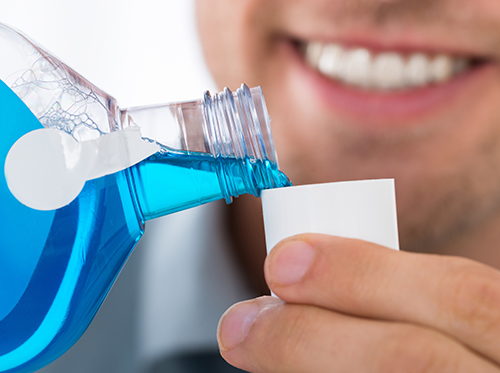
A solid oral health routine begins with daily brushing, flossing, and rinsing. Without a consistent oral health regimen, you may begin to experience tooth decay and bacterial infections. Few patients ask Dr. Cronin about different mouthwash options, so we’ve put together a list of the conditions that mouthwashes can treat. This should help you decide which oral rinse would be best for you.

Gum Health

Antiseptic mouthwashes reduce large amounts of bacteria on and near the gum line and generally help to decrease your chances of developing gingivitis. The key ingredients of antiseptic mouthwashes are antibacterial and antimicrobial items. Antiseptic mouthwash is a preferable option if you are concerned about the general gum health of your mouth.

Fluoride

Fluoride is a great tool for preventive tooth decay treatment. It prevents tooth decay and is great for oral health in general because it kills germs that can live in your mouth. Fluoride also builds stronger teeth. If you’re a bottled water drinker, Dr. Cronin may recommend that you purchase a simple fluoride rinse to use after brushing.

Bad Breath

Fluoride mouthwash can be used to fight any bad breath issues you may be facing. It’s designed to combat any bacteria that might be building up in your mouth. Most mouthwashes will help eliminate bad breath, but some are specifically designed to address this difficult problem. If you feel as though this might be turning into a chronic problem, please contact Dr. Cronin to discuss other options that would be effective for treating your symptoms.

Canadian Dental Association (CDA) Approval

The CDA reviews all mouth rinses for safety measures and to prove effectiveness. Any mouthwash approved by the CDA has met strict guidelines according to whether the manufacturer’s claims are supported with scientific evidence. If you’re looking for a quality mouthwash, look for one that has the CDA seal of acceptance to ensure you have a great rinse for your mouth.

Considerations

When you’re trying to decide which mouthwash to pick, contact our Langley or ask Dr. Cronin during your next appointment. If you experience a burning sensation in the soft tissues of your mouth, be sure to discontinue use immediately. Avoid letting children under age six use a mouth rinse, and be sure to keep all mouthwashes out of the reach of children, because they contain alcohol and other substances that could be harmful.