
Our Blog

Aftercare After Extraction

December 20th, 2023

Orthodontists do everything they can to save teeth, but sometimes, a tooth is so damaged by accident, injury, infection, or decay that extraction is the only option. Or perhaps your child’s wisdom teeth are starting to come in—and starting to cause problems. Or, when this is the healthiest alternative, an extraction might be necessary for orthodontic reasons.

While there are several possible reasons an extraction might be necessary, one thing is true for any extraction: you want to make sure that your child is as comfortable as possible and heals as quickly as possible after the procedure.

Aftercare and recovery time isn’t exactly the same for every extraction. Whether your child’s tooth is a baby tooth or a permanent one, whether it’s a single tooth or several, whether it’s erupted or impacted, whether a local anesthetic or sedation is recommended—these factors and more can make a difference in recovery time.

Dr. Cronin will provide you with clear, specific instructions for helping your child to a speedy recovery after an extraction. We’d also like to offer you some general aftercare ideas to make sure your child is as comfortable as possible while recovering.

  • Bleeding

Some bleeding is normal after an extraction. Follow your dentist or oral surgeon’s instructions carefully to minimize bleeding at the extraction site. Your child will probably need to keep a gauze pack in place for as long as directed to reduce bleeding and to help a clot form. If bleeding is heavier than expected or goes on longer than expected, call our Langley office.

  • Swelling

Swelling is a normal response to extractions. Your dentist might suggest cold compresses to help reduce swelling immediately after the extraction. If you don’t have an ice pack, ask whether a bag of frozen peas or corn can substitute.

With any cold compress, it’s important to protect your child’s skin from injury. Follow your dentist’s suggestions for application and be sure not to exceed the time limits recommended. And don’t apply a compress directly to your child’s face—wrap a towel or cloth around the bag or pack to protect the skin.

  • Careful Cleaning

The area around the extraction shouldn’t be disturbed or touched. The blood clot that forms after an extraction protects the area from irritation and infection caused by food particles and bacteria. If a clot is dislodged accidentally, it can lead to a condition called dry socket, which can be very painful.

This means no brushing near the extraction site, and no heavy rinsing or spitting for as long as directed. If your child is younger, you might need to help with brushing over the days following to make sure those sturdy bristles don’t get close to the extraction site before it’s healed.

  • Soothing Foods

Have a supply of your child’s favorite comfort foods handy while healing, such as cream soups, mashed potatoes, scrambled eggs, gelatin, yogurt, and smoothies. Hot and cold foods can be irritating, so stick to cool or lukewarm foods for the first few days. Encourage your child to drink lots of liquids, but nothing carbonated. And do wait until any numbness wears off before giving your child chewable foods to avoid biting tongue or cheeks.

Remove spicy favorites from the menu, which can be irritating, as well as chewy, crunchy, or jagged foods like crackers, since tiny, sharp bits of food can make their way inside the site. Remind your child to chew on the side of the mouth opposite from the extraction site. And, since suction is an all-too-easy way to dislodge the clot over the extraction site, no straws!

  • Schedule Recovery Time

Make sure your child rests and takes it easy after the procedure. Exercise, lifting, even bending over can dislodge a protective clot, so re-schedule any physically demanding sports and activities until your child is given the dental all clear.

  • Medication

If your child has been given a prescription for pain medication or antibiotics, follow the instructions as directed. Dr. Cronin might recommend age-appropriate over the counter pain relievers to have on hand. For severe or continuing pain, call your orthodontist or oral surgeon right away.

  • Coordinate Dental Schedules

Orthodontic extractions, if needed, will be scheduled into your child’s orthodontic treatment plan. Treatment can begin or resume when the extraction site has healed.

If an emergency extraction is necessary, call our Langley office so we can be aware of the situation and can coordinate with your child’s dentist or oral surgeon to keep treatment on track as much as possible.

An extraction can be worrying for both patient and parent, so talk to your orthodontist for the best ways to make this experience a positive one for your child before, during, and after treatment.
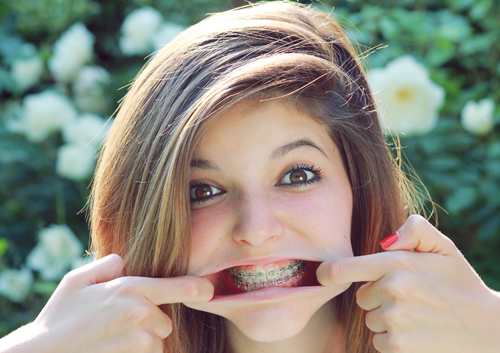

Why is orthodontic treatment important?

December 13th, 2023

The goal of orthodontic treatment at Cronin Orthodontics, which may include the use of braces, retainers, and aligners, is to straighten your teeth. Treatment often starts in the pre-teen or teenage years, but adults may also need orthodontic treatment. The treatment can feel like a chore that lasts for several months or a couple of years, but it can fix important problems. These include:

  • Crowded teeth spaced too close together
  • Gaps between your teeth
  • Crooked teeth
  • Overbite or underbite
  • Upper and lower teeth that do not meet

Straight Teeth are More Attractive

You are more likely to be proud of your smile when your teeth are straight and evenly spaced. Pride in your appearance can give you more confidence and encourage you to try new things. This can be particularly important for adolescents. In addition, people often judge others based on first impressions. A smile that shows straight teeth is more attractive.

Better Oral Health is Easier

Brushing and flossing your teeth are two basic components of an oral health routine to protect your teeth from conditions such as tooth decay, gingivitis, and plaque build-up. As Dr. Cronin and our staff know, caring for your mouth is easier when your teeth are straight. The Canadian Dental Association says the following conditions are less likely to occur if you have the proper orthodontic treatment.

  • Dental caries
  • Gum disease or gingivitis
  • Tooth loss
  • Impaired speech
  • Worn tooth enamel

Orthodontic Treatment Improves Nutrition

Poorly aligned teeth can reduce your ability to chew properly or make certain foods more difficult to eat. Many of these more challenging foods are healthy, and avoiding them can cause you to limit your diet to softer, often less-nutritious foods, such as ice cream and canned soup. Straighter teeth and a better ability to chew let you eat crunchy foods, such as apples and carrots; stringy foods, such as asparagus and chicken; and chewy foods, such as raisins.

Taking Charge of Your Dental Health

December 13th, 2023

Now that you’re a teenager, you have a lot more responsibility and independence. Choosing high school classes and electives. Getting a driver’s license. Landing your first job. And those new responsibilities extend to your dental health as well!

  • Braces

If you’ve just gotten braces, you might feel a bit overwhelmed. Learning how to brush and floss effectively, attaching rubber bands several times a day, keeping track of your hours if you’re wearing clear aligners—it can seem like a lot. But you can do it! With time and practice, caring for your braces will become just another part of your daily routine. Dr. Cronin and our team are here to make sure you have all the information and tools you need to succeed. The most important thing to remember is that the better you follow our instructions, the quicker and more effective your orthodontic treatment will be.

  • Retainers

If you’ve successfully completed your orthodontic treatment, dealing with your retainer should be a piece of cake! We will give you clear instructions on how long each day you should wear your retainer. Sticking to this schedule is really important--if you don’t wear the appliance as directed, you can undo some of the progress you’ve worked so hard to make. And when you’re not wearing your retainer, be sure it has a safe life outside your mouth. Keep it in a protective case, and keep it someplace where the puppy/the washing machine/the cafeteria trash bin won’t find it.

  • Mouthguards

If you have a mouthguard for sports or athletic activities, wear it! Whether you have an over-the-counter device or a custom fabricated guard, it won’t do you any good hiding in your locker. A mouthguard cuts down on tooth and facial injuries caused by falls, physical contact, or other accidents that might happen in your active life. And if you wear braces, ask about a mouthguard designed to fit around them. These custom devices protect your braces and your mouth.

Finally, remember that sticking with your dental routine—two minutes of brushing morning and night and thorough flossing each day—will keep your gums and teeth healthy throughout your teen years. And, if you have any questions about your dental health in general, or a specific dental concern, give our Langley office a call! We’re here to work with you for a lifetime of beautiful smiles.

Orthodontics—Gift Yourself!

December 7th, 2023

It’s the season of giving and the start of a new year. What better time to gift yourself with the orthodontic treatment you’ve always wanted?

Orthodontic treatment isn’t just for children and teenagers. In fact, adults make up a significant—and growing—number of new patients looking forward to beautifully aligned teeth and a healthy bite.

And because today’s orthodontic treatments are more comfortable, take less time, and are less visible than ever before, they are a great fit for your busy adult life. You also have many more options from which to choose, including:

  • Traditional Braces

Traditional braces are a proven method of aligning your teeth and bite, can be more economical than other options, and are often most effective in treating complicated orthodontic issues.

If traditional braces are best for your needs, you’ll be happy to hear that today’s braces are better than ever. Brackets are smaller. Innovative wire technology makes the orthodontic process even more efficient. And with self-ligating brackets, there’s no need for those colorful little bands around each bracket to hold those wires.

  • Ceramic Braces

If you’re looking for something more inconspicuous, consider ceramic brackets. These ceramic or porcelain brackets are color-matched to your teeth, and, especially used with clear bands and lighter wires, create a less visible profile.

  • Lingual Braces

This is your most discreet option, because these braces are located on the inside of the teeth. Lingual braces are custom designed, so they can be more expensive, and treatment can take a bit longer, but they are perfect for those who want invisible braces for personal or professional reasons.

  • Clear Aligners

Clear aligners can treat many orthodontic conditions, including some complicated malocclusions. Your orthodontist can let you know if these removable, comfortable, and subtle aligners will work for you.

Adult orthodontics can give you the confident smile you’ve always wanted, which is reason enough to seek orthodontic treatment at our Langley office. And perfectly aligned teeth and a healthy bite have dental benefits as well as mental benefits!

  • Reduce the Risk of Cavities and Gum Disease

Crooked and overlapping teeth are harder to keep clean. Getting in between the teeth to remove all the food particles and plaque can be difficult even with the most careful brushing and flossing. Built up plaque increases your risk of cavities, irritates delicate gum tissue, and causes gum disease.

  • Prevent Tooth and Jaw Injuries

If your jaws have never fit together properly, you’ve probably experienced at least some of the consequences of a malocclusion, or bad bite. Worn and cracked teeth, damaged fillings and crowns, jaw pain, headaches, difficulty breathing—all of these problems can be caused by a misaligned bite.

If you’ve always wanted orthodontic treatment, talk to Dr. Cronin to discover the possibilities. A more confident appearance, reduced risk of cavities and gum disease, a comfortable, pain-free bite—there’s no better gift to give yourself than a lifetime of healthy smiles!