
Our Blog

A Fun Halloween with Braces

October 7th, 2020

Having teeth encased in braces can be discouraging during Halloween. If you or your child has braces, there are certain candies to avoid this holiday season—and in general—while you have braces. Candy can be tempting, especially for children.

But don’t worry; other sweet treat options can readily take their place. Take a look at the American Association of Orthodontists’ tips on how to keep your braces safe.

Treats to avoid because they can cause damage to your braces include:

  • Hard candies
  • Chewy candies
  • Nuts
  • Caramel
  • Licorice
  • Jelly beans
  • Taffy
  • Bubblegum
  • Hard pretzels
  • Popcorn

These goodies should be avoided because they have the potential to bend or break your braces. Broken brackets and loose wires can waste time and money.

Switch out hard, chewy, and sticky candies for these options in the mean time:

  • Soft chocolate
  • Peanut butter cups
  • Gelatin treats
  • Ice cream
  • Smoothies
  • Root beer floats
  • Apple cider

Encouraging your child to stay with alternative, braces-friendly treats may prevent her from trying to eat candies that could break or damage braces. Halloween can still be fun, especially if your youngster (or you) don’t have to visit our Douglasville or Union City office get braces fixed.

Make sure to remind your child to avoid harmful candies, and encourage him to exchange treats with friends to make it more fun. Only passing out candies that children can eat safely, such as soft chocolates, can make them feel included.

Dr. Grant and our team hope you enjoy your Halloween season, regardless of whether you are wearing braces.

Fluoride and Your Orthodontic Treatment

September 30th, 2020

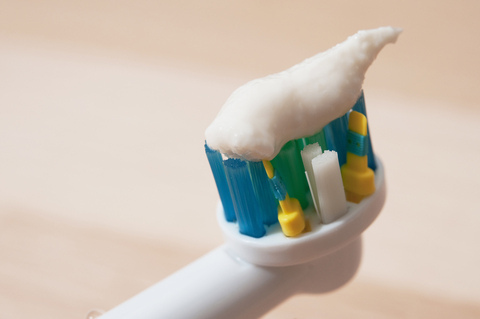
Our team at Grant Orthodontics knows that there are many ways you can protect your pearly whites throughout your orthodontic treatment. If you follow the rules and brush your teeth twice a day, floss often, and protect your appliances from damage, you should have a successful treatment.

But did you know there’s another way to keep your teeth sparkling and healthy during your time wearing braces?

Fluoride, the mineral that helps you prevent cavities and tooth decay, can also help keep your teeth strong. Fluoride comes in two varieties: topical and systemic. Depending on your oral health or the recommendation of Dr. Grant, you may be required to have a fluoride treatment every three, six, or 12 months. We may also prescribe a fluoride product such as a mouthwash, gel, or antibacterial rinse for at-home treatment to keep your teeth happy in between visits.

If you have any other questions about fluoride or your treatment, please don’t hesitate to give us a call!

Wax Facts

September 30th, 2020

In the long run, wearing braces is so worth it. Whether you’re working toward straight teeth, an improved bite, or both, you’ll end up with a beautiful smile! But sometimes, in the short run, they can be really annoying. Braces can irritate your lips, tongue, and cheeks while you are getting used to them or after an adjustment. Or a problem wire can poke the inside of your mouth and you can’t see us immediately for a repair. At times like these, Dr. Cronin will recommend orthodontic wax to make your life more comfortable.

  • What is Orthodontic Wax?

Orthodontic wax is made from non-toxic products like beeswax, carnauba wax, and paraffin wax. Some products might contain extras like vitamin E, aloe, or flavorings. The soft wax covers the bracket or wire that is bothering you with a smooth surface that won’t irritate sensitive mouth tissue and will give sore areas a chance to heal.

  • What if I Swallow a Piece?

All dental wax is made of non-toxic ingredients. If you accidentally swallow a bit, no need to worry.

  • Is It Hard to Apply?

It’s not hard, but it takes a bit of practice. First, locate the wire or bracket that is causing the problem. You might know where it is right away, or be able to discover it by discovering which sharp bracket or wire is across from the sore spot in your mouth.

Always wash your hands first. Brush and floss, so you will have a clean surface to apply the wax. The drier the surface, the better the wax will stick, so let the area air dry or use something clean such as sterile gauze to dry around the bracket.  

The wax is actually quite easy to work with. Break off a small piece of wax (no bigger than the size of a popcorn kernel or a pea), roll it in your fingers to soften it, and press the wax firmly but carefully over the problem bracket or wire until it sticks. Rub until the wax is smooth. Don’t worry, we will be happy to show you just how it’s done.

  • Can I Eat with Wax in Place?

If you find that you can eat without much irritation, it’s better to eat without wax over your braces. Remove the wax before eating and brush carefully to remove any food particles from your braces before applying new wax. If you do snack while using wax, be sure to change it after you eat. Wax, after all, sticks easily to your braces—and food particles stick to wax! Not a good look, and not good for your teeth.

  • Brushing and Flossing

Take off any wax before you brush and floss. Your toothbrush will thank you!

You probably have lots of other questions. Can you sleep with wax on your braces? Will it help you be more comfortable at trumpet practice? That’s why we’re here! If you have any questions at all about orthodontic wax and how to use it, call our Langley office. We want to make sure that the months you spend wearing braces are as comfortable as possible on your way to a lifetime of beautiful smiles. It’s so worth it!

Invisalign Teen®: What Parents Should Know

September 23rd, 2020

Invisalign Teen is one the newer styles of braces, and perfect for those who do not like the standard metal braces. They are available in a clear material that is practically invisible called aligners that are replaced every two weeks. The aligners are custom made for each patient and gradually straighten teeth without all of the metal and rubber bands that come with traditional braces.

Is Invisalign as effective?

If your child will wear them as directed to, then the answer is yes, they are as effective as traditional metal braces. However, to make sure the child is actually wearing them correctly you will notice a small blue spot on the back of each aligner. This is called an indicator and if worn correctly will fade over a period of two weeks. Dr. Grant will be able to tell if the patient is not wearing them correctly.

Can Invisalign be removed?

Parents should be aware that the Invisalign aligners can be removed for up to four hours per day to eat, brush teeth, play sports, or play musical instruments. With the option of removing them it actually makes brushing and flossing easier and helps oral hygiene. The recommended time to wear them is at least 20 hours per day.

How long does treatment take and what is the cost?

Your teen will wear Invisalign as long as traditional braces. However, each patient is different so you should speak with Dr. Grant to determine how many months your child can expect to wear them.

The cost is also very similar to other traditional braces; however there is no set fee. The cost will depend on your child’s unique orthodontic need.

Overall Success

Invisalign Teen has had remarkable success because patients are happy to have the option of having clear aligners for treatment. With the child more confident they are actually more prone to keep up with their treatment and many do complete their treatment sooner. You should speak with Dr. Grant as soon as possible to learn about the benefits of Invisalign Teen.